Visuals
The Phase 2 concept
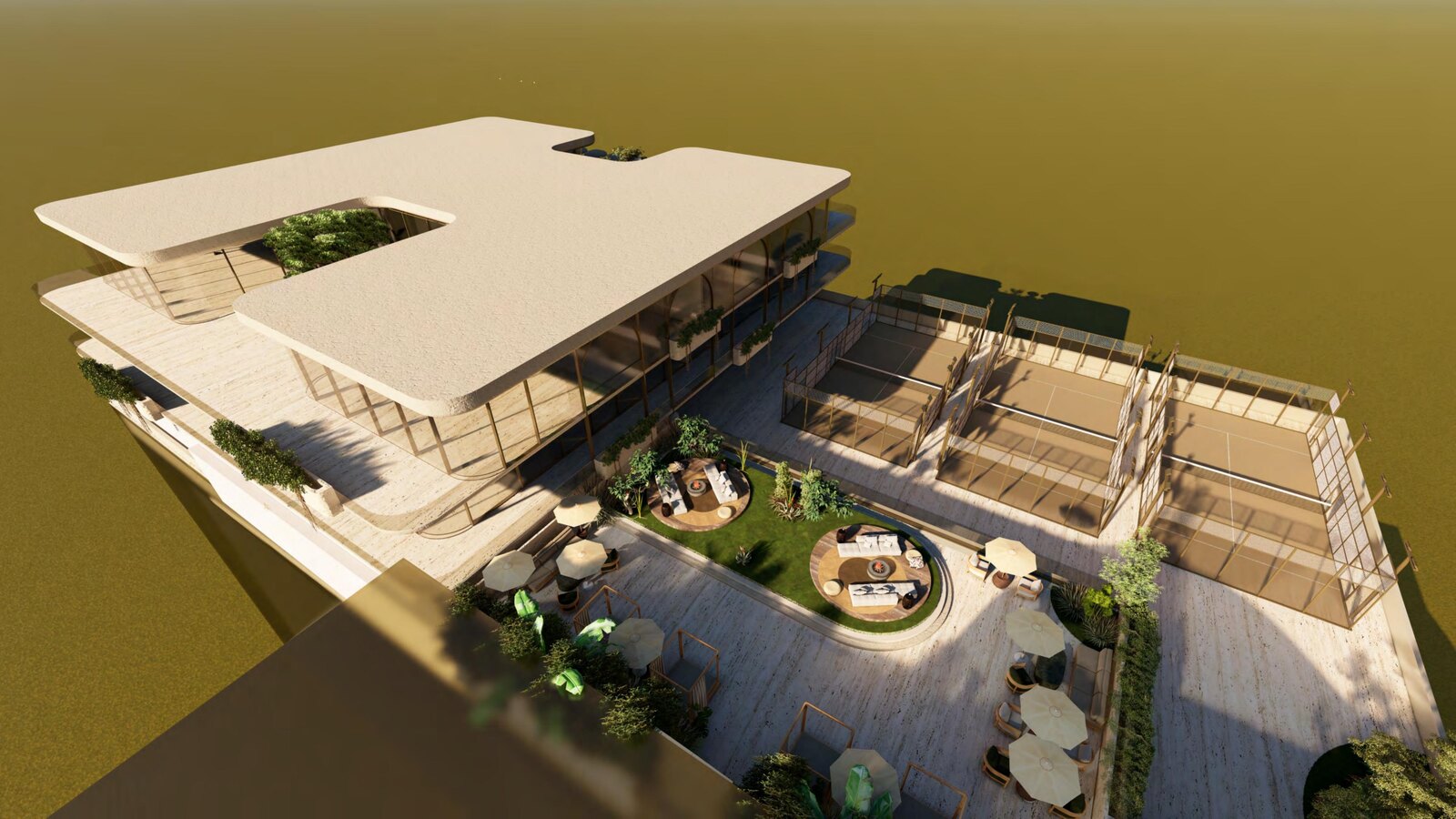
What a proven Miami Beach operator's next $50 million unlocks for the City that owns the land.
1691 Michigan Avenue is a Class A office building in Miami Beach on land owned by the City under a long-term ground lease. After acquiring the building in 2024, RK Rivani deployed roughly $50 million in capital improvements and assembled a nationally recognized tenant roster, reversing a contracted revenue decline and lifting daily visitation to more than 1,200 people.
BusinessFlare® prepared an independent economic and fiscal impact analysis to support Rivani's ground-lease amendment application. The amendment would authorize a new Class A office and rooftop-restaurant expansion above the existing parking structure — a second $50 million investment — in exchange for a lease-term extension. The analysis quantifies the public benefits the City would receive in return.
The proposed Phase 2 amendment adds roughly 30% more economic value on top of a repositioning that is already performing — bringing the fully built-out building to approximately 1,114 jobs supported and $143.4 million in annual economic output, plus new lease revenue and property-tax receipts to the City over the life of the lease. It is not a speculative bet on a vacant site; it is a proven operator being allowed to do more of what it has already executed.
Five lenses on how the expansion translates into jobs, output, public revenue, and neighborhood activity.
Acquired in April 2024, the building was repositioned with roughly $50 million in capital improvements and a new tenant roster — reversing a contracted rent schedule and lifting activity to more than 1,200 daily visitors.
The amendment would authorize approximately 42,000 SF of new leasable space — Class A office plus a 6,000 SF rooftop restaurant — built vertically above the existing parking structure, with no additional land required.
Using recognized input-output methodology, the analysis models one-time construction and recurring operations. Phase 2 alone adds roughly 269 permanent jobs and $33.2 million in annual output on top of the existing building.
The analysis projects revenues to the City and other taxing jurisdictions across the lease horizon using conservative, publicly sourced assumptions — new construction value, lease revenue, and resort/sales tax all contribute.
Foot-traffic analysis documents how the building's weekday-dominant, high-dwell-time population circulates into the surrounding retail and dining ecosystem — the pattern the expansion would amplify with new employees and an evening rooftop destination.